At Luv2wild we aim to be your HUB for all things nature. We post weekly articles covering all things regarding our natural world with a large focus on covering Wildlife, travel destinations for nature lovers and any animal or environment related news.
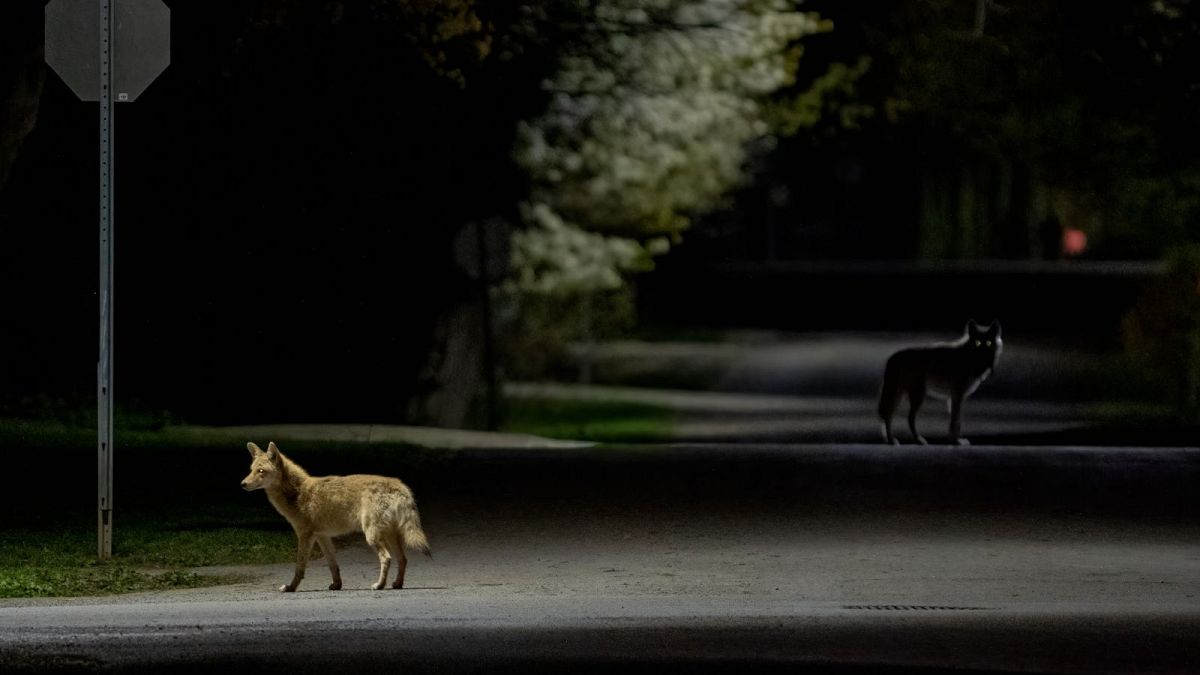
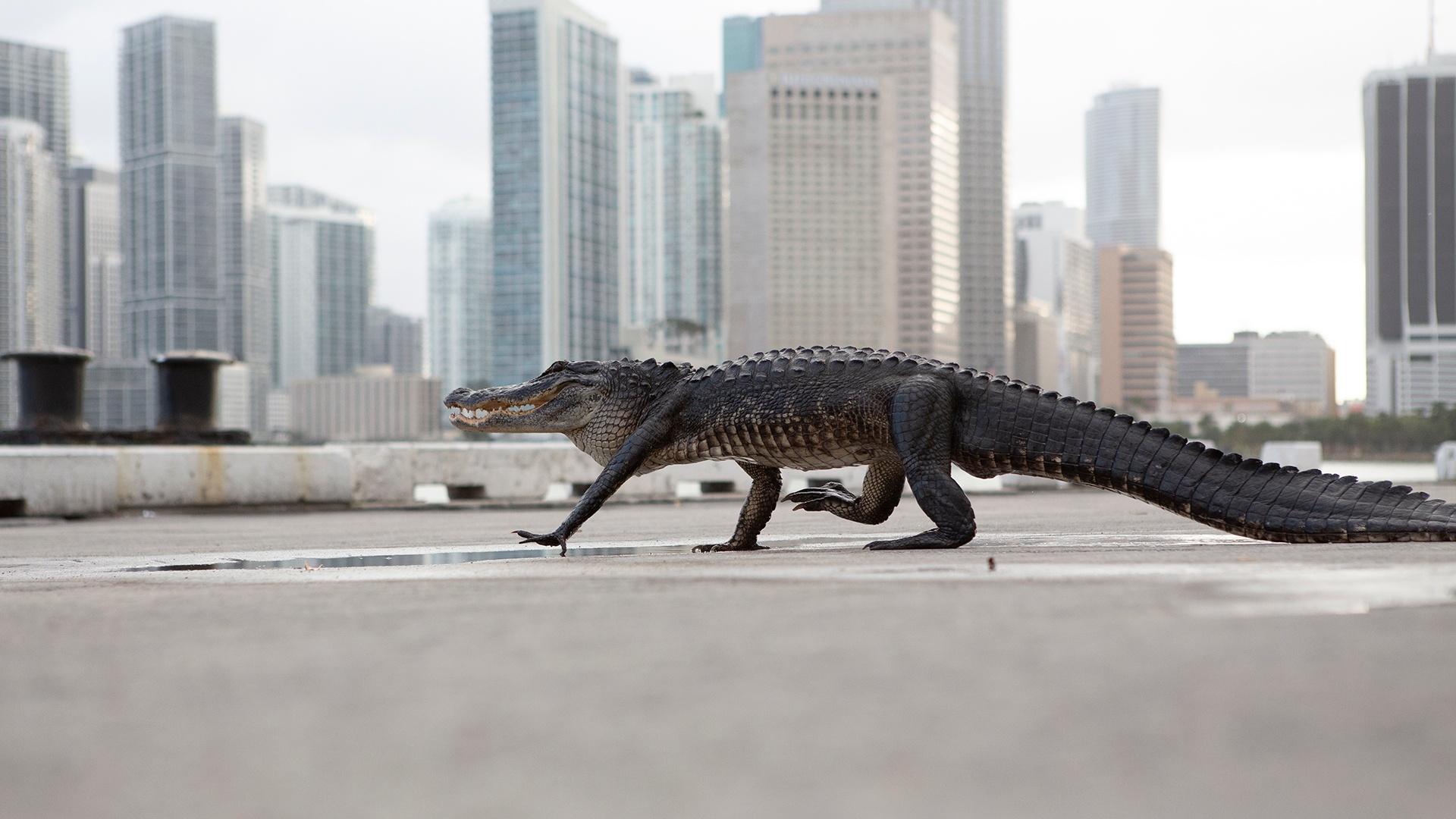
Urban environments, often seen as a concrete jungle, are surprisingly home to a variety of animals that have adapted to city life. Species such as pigeons, raccoons, and foxes have become ubiquitous in cities around the world, thriving in the bustling, human-dominated landscapes.
Pigeons, for example, have adapted well to urban spaces, using buildings as nesting sites and foraging for food scraps left by humans. Raccoons, known for their intelligence and dexterity, navigate city streets at night in search of food, often rummaging through trash cans or raiding dumpsters. In more suburban areas, urban foxes have become common sights, particularly in neighborhoods with parks or green spaces where they can find food and shelter.
The rise of urban wildlife highlights the resilience of animals and their ability to adapt to the changing environments humans create. Cities can, in fact, offer a wealth of resources—food, shelter, and relatively few natural predators—that support a diverse range of species. However, this also raises important questions about human-wildlife interactions and the need for urban planning that considers the needs of both people and animals.
The concept of rewildinglynx in the UK has sparked considerable debate in recent years, with proponents highlighting the potential ecological benefits of reintroducing this apex predator. The Lynx, once native to the British Isles, were extirpated from the region around 1,500 years ago. Today, advocates of rewilding projects believe that reintroducing lynx will help restore balance to fragmented ecosystems, benefiting biodiversity and the health of habitats across the UK.
One of the key arguments for reintroducing lynx is their role as an apex predator in controlling populations of herbivores like deer, which if left unchecked, can overgraze vegetation and harm woodlands and heathlands. By preying on these species, lynx would help improve the overall health of forest ecosystems, promoting the regeneration of plants and allowing for the return of a variety of other species that depend on these habitats.
But, there are challenges to overcome, including concerns about the impact on livestock and the logistics of reintroducing large predators into modern landscapes. To address these issues, rewilding projects must be carefully managed with input from local communities, conservationists, and policymakers. In countries like Scotland and Wales, where large tracts of suitable land exist, the idea of lynx rewilding is gaining traction.
Ultimately, the rewilding of lynx in the UK represents an exciting opportunity to restore a missing piece of the ecosystem puzzle, helping to create more resilient and biodiverse landscapes for future generations. With careful planning and consideration, the return of lynx would be an important step in the UK’s broader efforts to conserve wildlife and natural habitats.
In recent years, regenerative farming has emerged as a transformative solution to some of the most pressing environmental issues, from soil degradation to biodiversity loss. Unlike conventional farming practices, which often rely on chemical inputs and monocultures, regenerative agriculture focuses on restoring and enhancing the health of ecosystems, promoting biodiversity, and building resilience in the face of climate change.
What is Regenerative Farming?
At its core, regenerative farming is a holistic approach to land management that prioritises soil health, water conservation, and ecological balance. Key techniques include crop rotation, cover cropping, agroforestry, and reduced tillage, all of which aim to restore soil fertility, capture carbon, and reduce the need for synthetic fertilisers and pesticides.
One of the primary goals of regenerative farming is to increase soil organic matter. Healthy soil acts as a carbon sink, absorbing carbon dioxide from the atmosphere, which helps mitigate the impacts of climate change. Studies have shown that regenerative practices can significantly improve soil structure, leading to better water retention, reduced erosion, and increased yields over time.
The Benefits of Regenerative Agriculture
1. Restoring Soil Health: By focusing on building soil fertility through organic matter, composting, and minimizing soil disturbance, regenerative farming helps maintain a vibrant, living ecosystem beneath the surface.
2. Biodiversity Enhancement: Through practices like intercropping, agroforestry, and providing wildlife corridors, regenerative farming fosters a more biodiverse environment, supporting both flora and fauna.
3. Carbon Sequestration: One of the most exciting aspects of regenerative farming is its potential to sequester carbon. By increasing soil organic matter, regenerative farms can draw down carbon from the atmosphere and store it in the soil, helping to combat global warming.
4. Resilience to Climate Change: Healthy soils and diverse ecosystems are better equipped to withstand the pressures of climate change, such as droughts, floods, and extreme temperatures. Regenerative farming helps create a more resilient food system that can adapt to these challenges.
Why is Regenerative Farming Important?
As conventional agriculture contributes significantly to environmental degradation—through soil erosion, water pollution, and high greenhouse gas emissions—regenerative farming offers a promising path toward a more sustainable and equitable food system. By shifting to regenerative practices, farmers can produce food while nurturing the land, improving water quality, and supporting wildlife.
Farmers, consumers, and policymakers alike are increasingly recognising the power of regenerative farming to heal our planet. Supporting this movement is not just about eating sustainably—it’s about investing in a regenerative future that benefits both people and the planet.
In conclusion, regenerative farming isn’t just a trend—it’s a vital step toward restoring our ecosystems, enhancing food security, and ensuring a sustainable, carbon-conscious future for generations to come.
As our planet faces increasing environmental challenges, one of the most urgent issues is the relationship between humans and the natural world. The rapid loss of biodiversity, habitat destruction, and climate change are threatening not only wildlife but also the balance that supports life on Earth. As humans continue to expand and develop, finding ways to coexist harmoniously with animals is essential for the health of our planet and future generations.
The good news is that there are a variety of sustainable approaches that humans can adopt to live alongside animals, balancing our needs with the well-being of the natural world. These approaches not only benefit wildlife but also create healthier, more resilient human communities.
1. Protect and Restore Natural Habitats
One of the simplest yet most effective ways to coexist with animals is by protecting and restoring their natural habitats. As urban sprawl and industrialization increase, wildlife habitats are often destroyed or fragmented. This disrupts animal populations, endangering species and limiting their ability to thrive.
Efforts to protect forests, wetlands, grasslands, and oceans can go a long way in ensuring animals have the space they need. Governments, NGOs, and local communities are increasingly involved in conservation programs that create protected areas, promote reforestation, and restore degraded landscapes. By supporting or getting involved in such efforts, humans can contribute directly to preserving ecosystems that are home to countless species.
2. Implement Sustainable Agricultural Practices
Agriculture is a major driver of habitat destruction and biodiversity loss. As the global population continues to grow, the demand for food increases, and so does the pressure on wildlife habitats. However, there is a growing movement toward sustainable agriculture that aims to reduce the environmental impact of farming while also providing for human needs.
Agroforestry, organic farming, and permaculture are examples of practices that work in harmony with nature. By diversifying crops, avoiding harmful pesticides and fertilizers, and integrating animals into farming systems, we can create more resilient ecosystems. These practices not only preserve wildlife habitats but also promote soil health, conserve water, and reduce greenhouse gas emissions.
3. Promote Wildlife Corridors and Urban Green Spaces
As cities expand, they often create barriers that limit wildlife movement, making it harder for animals to find food, mates, and shelter. Wildlife corridors—protected areas that link fragmented habitats—allow animals to safely travel between regions. Urban planners can help by designing cities with wildlife in mind, creating green spaces, and ensuring that natural areas remain accessible to both humans and animals.
Urban areas can also provide opportunities for wildlife. Green roofs, community gardens, and tree-lined streets can support urban biodiversity. Designing cities with more green spaces benefits both people and animals by improving air quality, reducing urban heat, and enhancing overall well-being.
4. Responsible Consumption and Wildlife Protection
The choices we make as consumers directly impact animal populations. By supporting ethical and sustainable practices in industries such as fishing, forestry, and clothing, humans can reduce the pressure on wildlife. Choosing products that are certified by organizations like the Rainforest Alliance or Fair Trade ensures that they are produced in ways that do not harm ecosystems or exploit animals.
In addition, reducing consumption of products that contribute to habitat destruction—such as palm oil, which is linked to deforestation, or unsustainable seafood—can help protect wildlife. Being mindful of the environmental impacts of our purchases helps shift markets toward more sustainable and animal-friendly practices.
5. Human-Wildlife Conflict Management
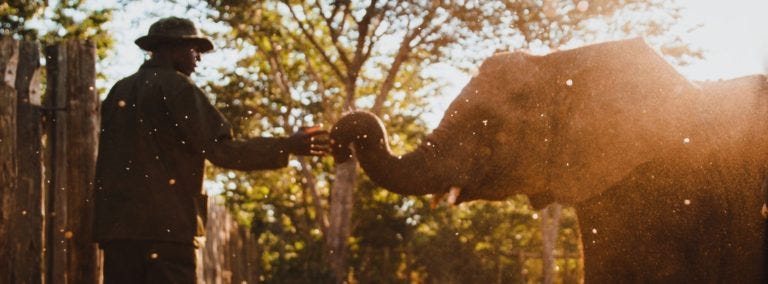
As human populations expand into areas that were once wilderness, conflicts between humans and animals become more frequent. From crops being raided by elephants to predators encroaching on livestock, human-wildlife conflict is a growing concern. However, there are a variety of strategies to minimize these conflicts without resorting to harmful measures like poaching or culling.
Implementing non-lethal deterrents—such as fencing, guard dogs, or even beehives to deter elephants—can help keep wildlife away from human settlements. Educating communities about how to coexist with wildlife, as well as creating wildlife-friendly farming practices (like planting crops that attract natural predators of pests), can help reduce conflict while also benefiting both animals and humans.
6. Support Conservation Efforts and Research
Conservation is a global endeavor, and local communities play a critical role in protecting animal species. By supporting organisations dedicated to wildlife conservation, individuals can contribute to efforts that help preserve endangered species, protect biodiversity, and promote sustainable development.
Additionally, supporting scientific research into animal behavior, migration patterns, and ecosystems helps us understand how animals live and what they need to survive. With this knowledge, we can develop better strategies for protecting wildlife and promoting coexistence.
7. Adopt a Mindset of Respect and Stewardship
At the core of all these efforts is the recognition that humans are not separate from the natural world but a part of it. By embracing a mindset of respect and stewardship, we can better understand the importance of living alongside animals, not at their expense.
A shift toward sustainability means acknowledging the interconnection of all living things and recognising that our actions—whether intentional or not—have consequences for the planet and its inhabitants. Educating ourselves and others, supporting policies that protect animals, and fostering empathy for non-human life are essential steps toward creating a more harmonious world.
Conclusion
Living sustainably alongside animals is not just a lofty ideal but a practical necessity. Through thoughtful, compassionate, and sustainable practices, humans can ensure that we share the planet with the myriad of species that make up the web of life. By protecting habitats, reducing our ecological footprint, managing human-wildlife conflicts, and promoting conservation, we can create a future where both humans and animals thrive together. The key is recognizing that the health of our planet is intertwined with the health of its animals, and in safeguarding their future, we also safeguard our own.
Understanding Climate Change: A Call to Action for Our Planet
Climate change is one of the most pressing issues facing humanity today. The overwhelming consensus among scientists is that human activity, particularly the burning of fossil fuels, deforestation, and industrial processes, is driving the planet’s rapid and unprecedented warming. The consequences of this global phenomenon are far-reaching, affecting everything from weather patterns to ecosystems, human health, and the economy. As we confront these challenges, understanding climate change and the urgent need for action is more crucial than ever.
What is Climate Change?
At its core, climate change refers to long-term shifts in temperature, weather patterns, and global climate systems. While the Earth’s climate has always fluctuated over millennia, the current rate of warming is extraordinary. Since the late 19th century, the Earth’s average surface temperature has risen by approximately 1.2°C (2.2°F). This might seem like a small increase, but it has profound effects on the planet’s systems.
The main culprit behind this warming is the increase in greenhouse gases, such as carbon dioxide (CO2), methane (CH4), and nitrous oxide (N2O), in the atmosphere. These gases trap heat, creating a “greenhouse effect” that raises temperatures and alters climate patterns. The burning of fossil fuels (coal, oil, and natural gas) for energy production, transportation, and industrial processes is the largest source of these emissions.
How Climate Change Affects Our World
1. Extreme Weather Events
One of the most immediate impacts of climate change is the increase in the frequency and severity of extreme weather events. Heatwaves, hurricanes, floods, droughts, and wildfires have become more common, and their intensity is growing. In the past decade alone, we have witnessed record-breaking storms and devastating wildfires in various parts of the world.
2. Rising Sea Levels
As the Earth warms, polar ice caps and glaciers are melting at an accelerated rate. This contributes to rising sea levels, which threaten coastal communities and ecosystems. Low-lying areas, such as parts of Bangladesh, island nations in the Pacific, and even coastal cities like Miami and New York, are at risk of flooding and displacement.
3. Biodiversity Loss
Climate change is causing disruptions to ecosystems, leading to the extinction of species that can’t adapt quickly enough. Rising temperatures, changing precipitation patterns, and habitat loss are forcing many plants and animals to migrate or perish. Coral reefs, which house around a quarter of all marine species, are particularly vulnerable to the rising ocean temperatures and acidification caused by increased CO2 absorption.
4. Impact on Human Health
The effects of climate change are not limited to the environment; human health is also at risk. Rising temperatures and changing weather patterns can contribute to the spread of diseases like malaria, dengue fever, and Lyme disease. Additionally, the growing frequency of extreme heat events can lead to heatstroke, dehydration, and other heat-related illnesses. Food security is also threatened by changing agricultural conditions, as crops become more susceptible to drought, floods, and pests.
5. Economic Disruption
The economic costs of climate change are staggering. Extreme weather events cause damage to infrastructure, homes, and businesses, while rising sea levels threaten valuable coastal real estate. The agricultural sector faces losses due to crop failures, and industries dependent on natural resources, such as fishing and forestry, are seeing declines. According to the Intergovernmental Panel on Climate Change (IPCC), the economic damage caused by climate change could reach trillions of dollars annually by the end of the century if significant action is not taken.
What Can We Do About It?
Addressing climate change requires a global, multi-faceted approach. While the challenge is immense, there are many solutions and actions that can make a significant impact.
1. Reduce Greenhouse Gas Emissions
The most important step in combating climate change is to reduce the emissions of greenhouse gases. This can be achieved by transitioning to renewable energy sources such as solar, wind, and geothermal power, as well as improving energy efficiency in buildings, transportation, and industrial processes. Governments, businesses, and individuals all have a role to play in this transition.
2. Invest in Green Technologies
Technological innovations are key to mitigating climate change. Electric vehicles, carbon capture and storage (CCS) technologies, and advancements in sustainable agriculture are just a few examples of how technology can help reduce emissions and help adapt to the impacts of climate change.
3. Protect and Restore Ecosystems
Natural ecosystems, such as forests, wetlands, and mangroves, act as vital carbon sinks, absorbing CO2 from the atmosphere. Protecting these ecosystems and restoring degraded landscapes can help mitigate climate change. Reforestation, conservation, and sustainable land management practices are essential for maintaining the Earth’s ecological balance.
4. Adopt Sustainable Practices
On an individual level, we can make changes to our lifestyles that reduce our environmental impact. This includes using energy-efficient appliances, reducing waste, conserving water, and adopting plant-based diets. Supporting companies and products that prioritize sustainability can also drive change in the marketplace.
5. Support Climate Policy and Global Cooperation
International agreements, such as the Paris Agreement, aim to unite countries in the effort to limit global warming to well below 2°C above pre-industrial levels. Governments must strengthen their climate policies and invest in long-term solutions. Public pressure and grassroots movements can also push for more ambitious climate action.
The Path Forward
Climate change is a global challenge that requires collective action, but it also presents an opportunity for innovation, cooperation, and transformation. The transition to a sustainable, low-carbon future is not just necessary but achievable. By acting now—through policy, technology, lifestyle changes, and environmental stewardship—we can protect the planet for future generations and mitigate the worst effects of climate change.
While the road ahead may seem daunting, the choices we make today will shape the world of tomorrow. The time to act is now. The future of our planet depends on it.
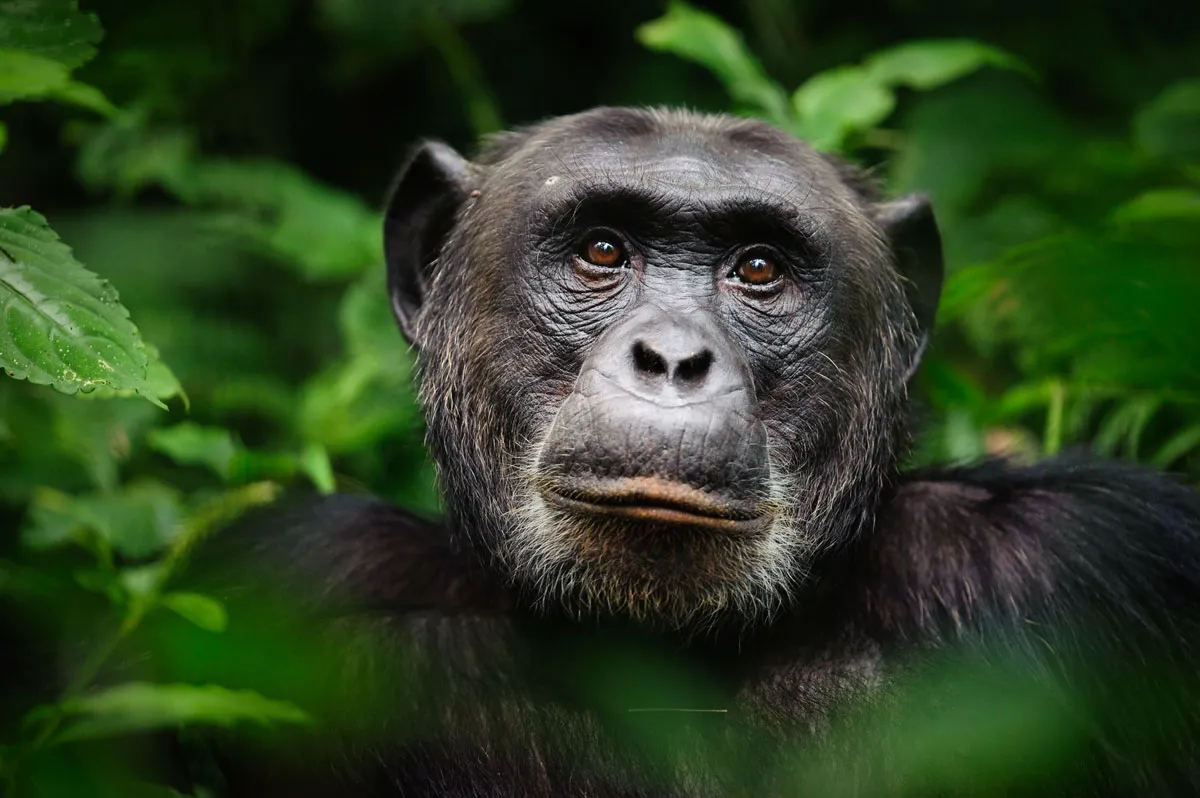
In this post we will be discussing the top 3 most intelligent animals alive today
1. Chimpanzee: As most of you probably would have guessed the Chimpanzee is without doubt the smartest animal alive today with countless scientific studies to prove it. Our closest living relatives, Chimpanzees are one of a select few animals that make use of tools, an example of this is when they use rocks to help break into food. Chimps are self-aware. They have the capacity to feel a range of complex feelings and emotions such as empathy, humor, and joy.
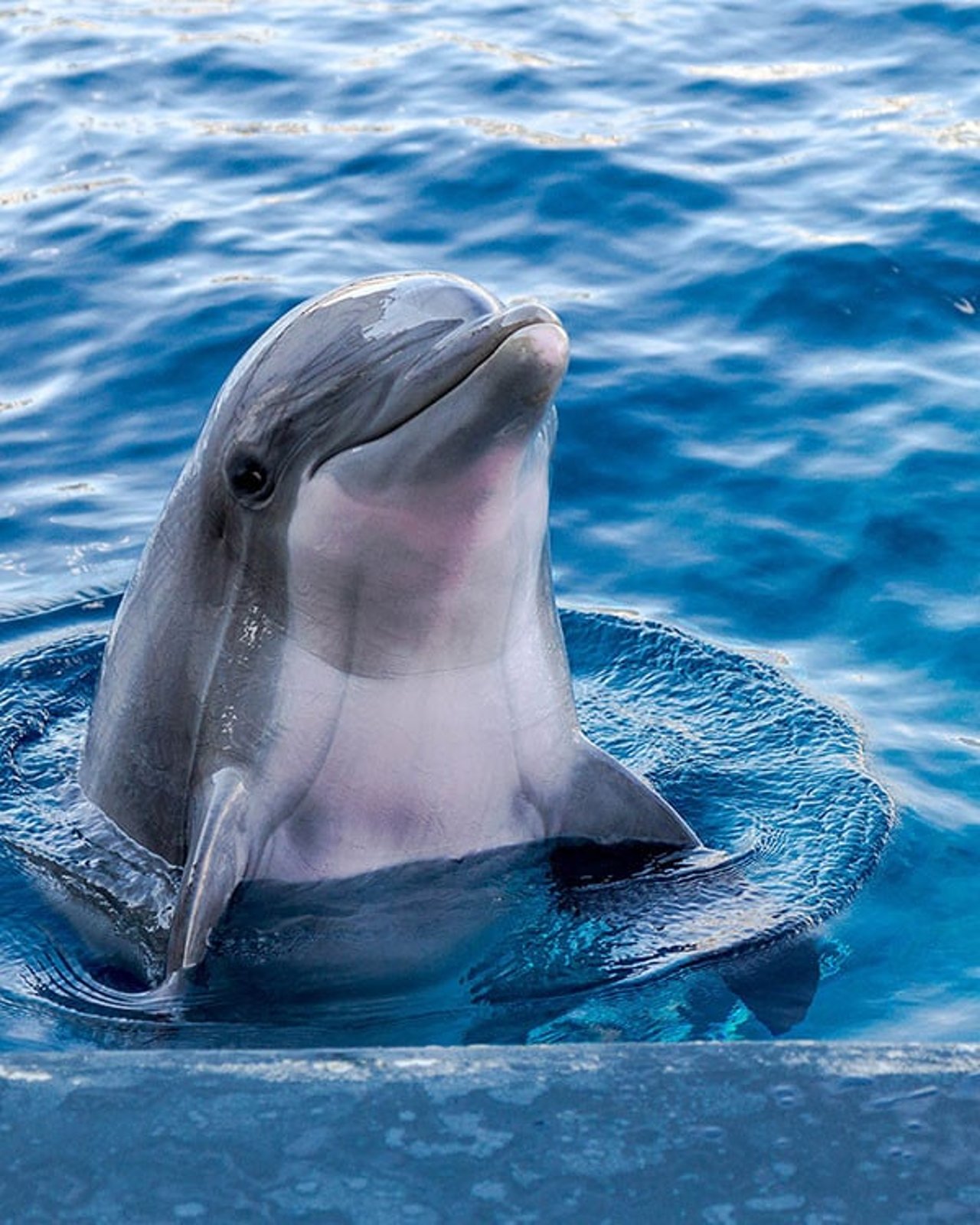
2. Dolphins: It’s well known that Dolphins are incredibly smart. They are highly social creatures that live and hunt in pods of up to 20 animals strong. The Bottlenose Dolphin is widely regarded as the most intelligent species of Dolphin. they are known for using a wide range of complex hunting strategies to catch prey. Mud ringing is a hunting strategy used by a pod of bottlenose Dolphins that inhabit the shallow coasts of lowland Florida. It involves one of the dolphins swimming in circle around a group of fish moving its tail along the sand in the process, this creates a sand plume that traps the fish within it leading to the fish becoming disorientated, The fish then start leaping out of the water and into the mouths of the dolphins. Studies on Bottlenose Dolphins also found that they feel emotions such as grief, excitement, pain and joy.
3. Octopus: Octopuses are highly intelligent creatures, they have the largest brain to body ratio of any invertebrate with their brain being of a similar size to that of a dog. Octopuses have a different brain structure to humans with about two thirds of their neurons located in their arms. Octopuses have been known to use tools when building their dens and collecting coconut shells. A plethora of studies have been conducted on octopuses with them successfully solving puzzles, opening jars and untying knots.
In today’s post, we’ll discuss some incredible animals. We will also explore the equally incredible adaptations that they have developed in order to survive.
Fossa
The fossa is an extremely unique animal that is endemic to Madagascar. It’s a cat like carnivorous mammal that is a part of the eupleridae family and is an exceptional climber. Over 50% of the Fossa’s diet consists of Lemurs. Thanks to some unique adaptations, it can chase them through the trees with ease. These adaptations include a very long tail which it uses to keep its balance and hold on to branches, retractable claws and highly flexible ankle joints that can rotate allowing it to run head first directly up or down trees. Its easy to see why they are Madagascar’s apex predator.
Giraffe
When it comes to animal adaptations their is not many more infamous than the Giraffes long neck. This particular adaptation allows giraffes to reach vegetation that other herbivores can’t. Male Giraffes also use their long necks for fighting rival males over territorial disputes and mating rights. This famous long neck isn’t the giraffes only adaptation as they also have a long 22 inch prehensile tongue which wraps around leaves and rips them off when feeding. These adaptations allow giraffes to survive in the harshest of conditions.
Aye-aye
Advertisements
The Aye-aye is another animal with some extraordinary adaptations that help it survive. Its most famous adaptation is its one rather long finger which it uses to reach into the tiny cracks and holes in trees and fish out any bugs or grubs hiding in there.
Animals develop adaptations through the process of natural selection where over time a species gradually changes to better suit its environment and the ones that stay the same don’t survive. I find the topic of animal adaptations rather interesting so let me know if you’d like a part 2.
Seeing as there is enough depressing news in the world. We thought we would bring you some positive news regarding Beavers in the UK.
Beavers in the UK
Beavers were hunted to extinction in the UK around 500 years ago. This had a negative impact on the surrounding ecosystem. Without beaver dams, rivers began flooding more often, The water quality dropped. Key marine habitats created by beaver activity vanished. Thankfully some incredible conservation efforts began in 2002 and started gaining momentum in 2015. The aim was to reintroduce beavers back into the UK and it seems to have been quite successful. As of 2024, the UK is now home to a wild population of around 2,000 beavers. By 2030, this number is expected to increase to around 10,000 in Scotland alone. This can only mean good things for the future of the species and shows the positive impact that conservation has.









 Luv2wild