
Urban environments, often seen as a concrete jungle, are surprisingly home to a variety of animals that have adapted to city life. Species such as pigeons, raccoons, and foxes have become ubiquitous in cities around the world, thriving in the bustling, human-dominated landscapes.

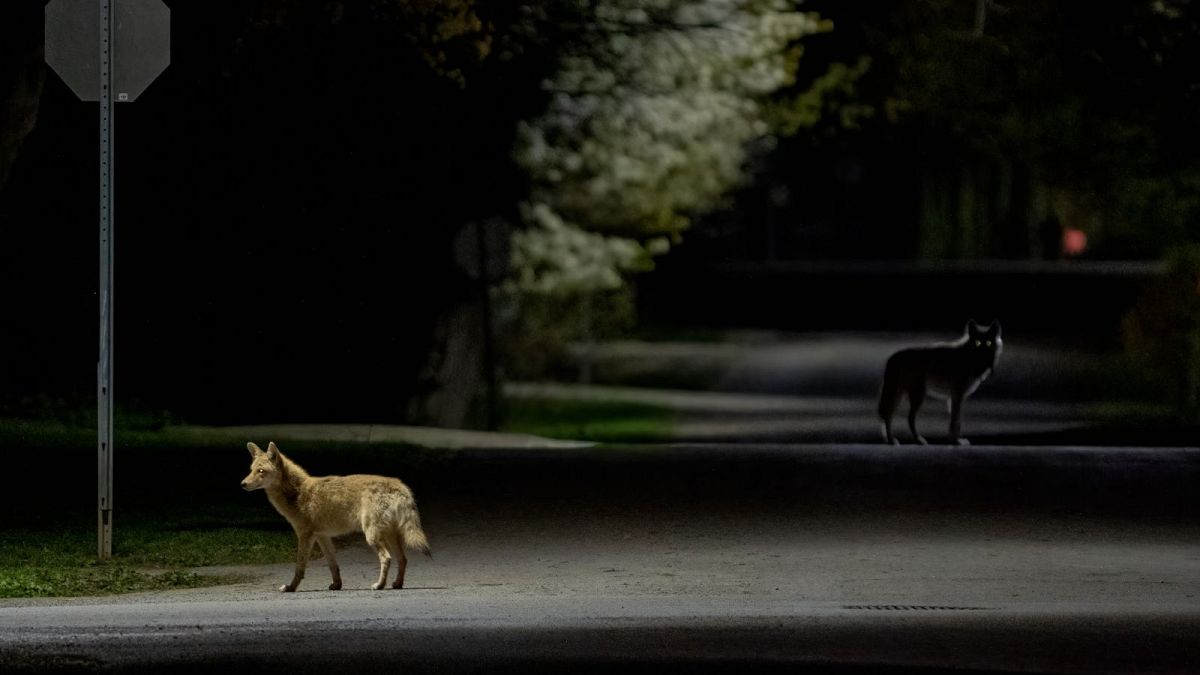
Pigeons, for example, have adapted well to urban spaces, using buildings as nesting sites and foraging for food scraps left by humans. Raccoons, known for their intelligence and dexterity, navigate city streets at night in search of food, often rummaging through trash cans or raiding dumpsters. In more suburban areas, urban foxes have become common sights, particularly in neighborhoods with parks or green spaces where they can find food and shelter.
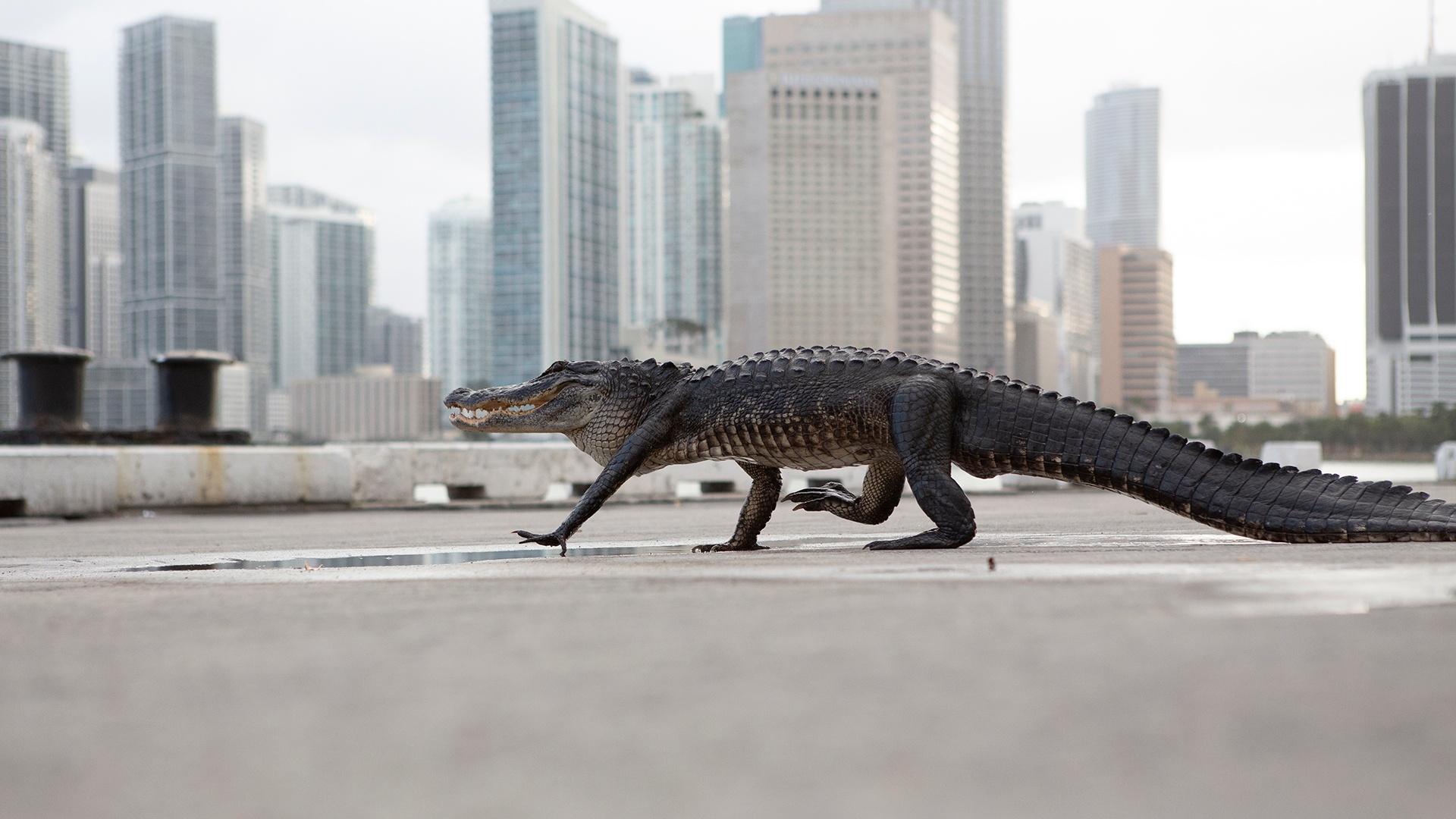
The rise of urban wildlife highlights the resilience of animals and their ability to adapt to the changing environments humans create. Cities can, in fact, offer a wealth of resources—food, shelter, and relatively few natural predators—that support a diverse range of species. However, this also raises important questions about human-wildlife interactions and the need for urban planning that considers the needs of both people and animals.
 Luv2wild
Discuss below