
Sharks have long fascinated marine enthusiasts, not only for their predatory behaviour and unmistakeable appearance but also for the impressive sizes they can reach. Among the over 500 shark species inhabiting our oceans, a select few stand out due to their remarkable size. In this blog post, we will explore the top five largest shark species, delving into their unique characteristics, habitats, and the roles they play in maintaining the health of marine ecosystems.
(5) The Greenland Shark
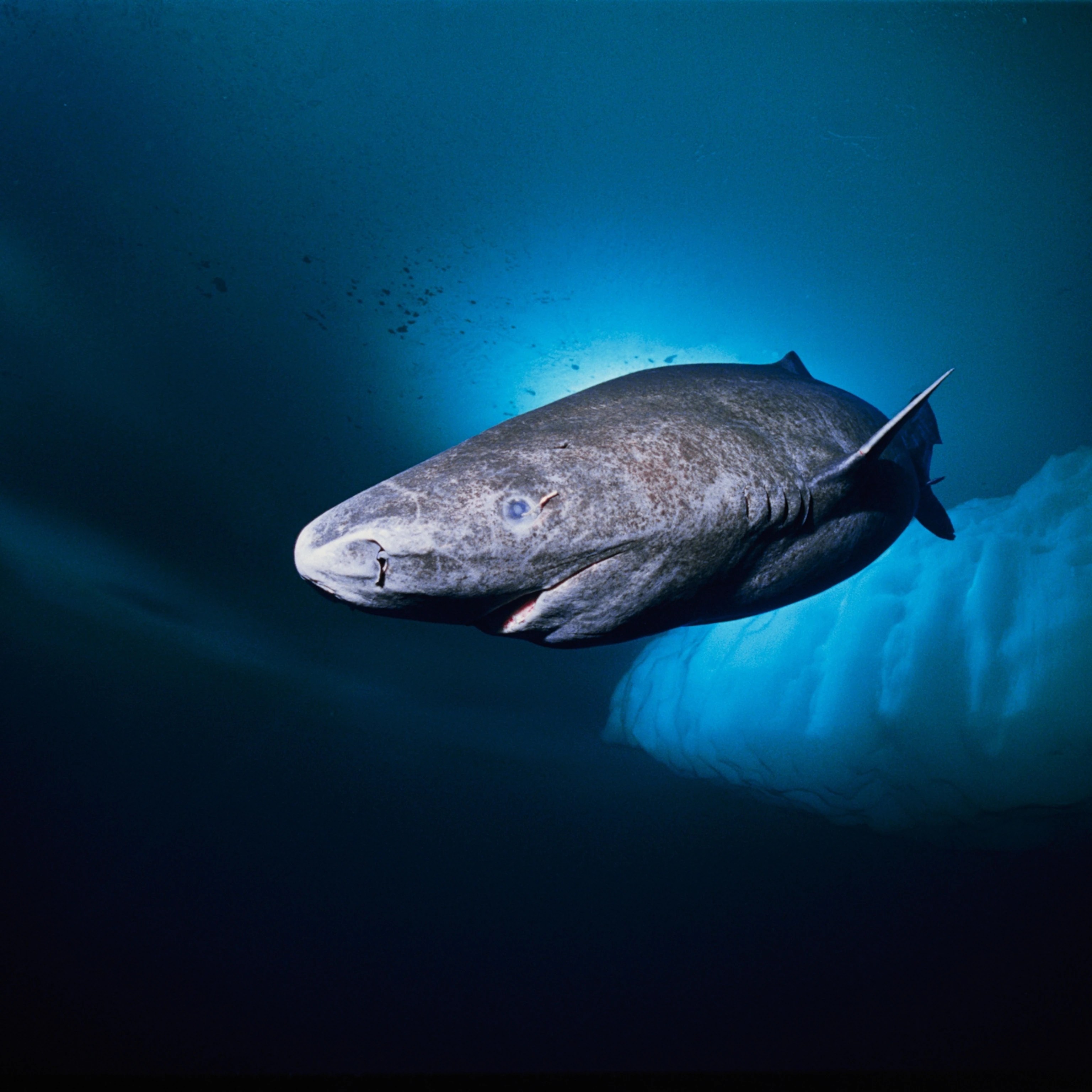
The Greenland shark (Somniosus microcephalus) is one of the largest shark species, with individuals reaching lengths of up to 7 meters (23 feet) and weights exceeding 1,000 kilograms (2,260 pounds). Inhabiting the cold, deep waters of the North Atlantic and Arctic Oceans, these sharks are found around Greenland, Iceland, and extending as far south as the Gulf of Maine.
Notably, Greenland sharks are the longest-living vertebrates, with lifespans estimated between 250 and 500 years. They reach sexual maturity at about 150 years of age.Their meat is toxic due to high levels of trimethylamine N-oxide but can be consumed when properly processed, as in the Icelandic delicacy known as hákarl.
(4) Tiger Shark
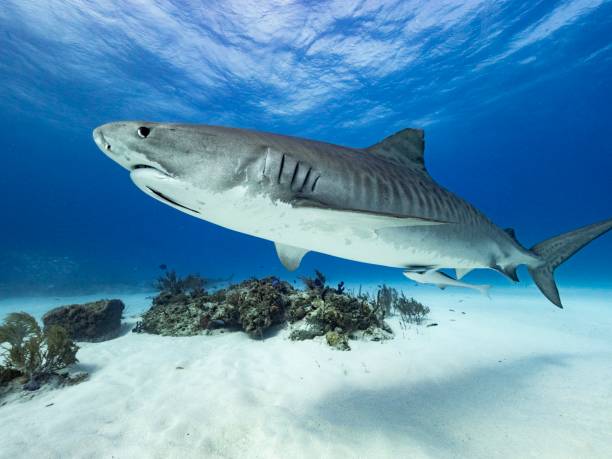
The Tiger Shark (Galeocerdo cuvier) is one of the ocean’s largest predatory fish, with adults typically measuring between 3.5 to 4.5 meters (11 to 14.8 feet) in length and weighing around 385 to 635 kilograms (849 to 1,400 pounds). Exceptionally large individuals have been recorded, with some females exceeding 5 meters (16.4 feet) and weighing over 1,300 kilograms (2,866 pounds). These formidable predators are found in tropical and subtropical waters worldwide, including the central Pacific Ocean near remote islands like Norfolk Island. In these regions, tiger sharks have been observed growing up to 15 feet long, significantly larger than the average size of 9 feet.
Tiger sharks are known for their diverse diet, which includes fish, seals, birds, smaller sharks, and even inanimate objects, earning them the nickname “garbage cans of the sea.” Their distinctive dark vertical stripes, reminiscent of a tiger’s pattern, are most prominent in juveniles and tend to fade as they mature. These sharks are solitary, primarily nocturnal hunters, utilising their keen sense of smell and excellent eyesight to locate prey. Despite their reputation, tiger sharks play a crucial role in maintaining the balance of marine ecosystems by controlling the population of various species.
(3) Great White Shark

The Great White Shark (Carcharodon carcharias) is one of the most iconic ocean predators. They can grow up to 20 feet (6 meters) in length and weigh over 5,000 pounds (2,268 kilograms). They can be found in temperate and coastal waters worldwide, including the coasts of South Africa, Australia, and California. These apex predators are known for their incredible hunting skills, often preying on seals, fish, and even small whales. Interestingly, Great Whites can detect a drop of blood in 25 gallons of water and have a highly developed sense of smell. Despite their fearsome reputation, Great Whites are wildly misunderstood and are vital for maintaining balance in marine ecosystems.
(2) Basking Shark
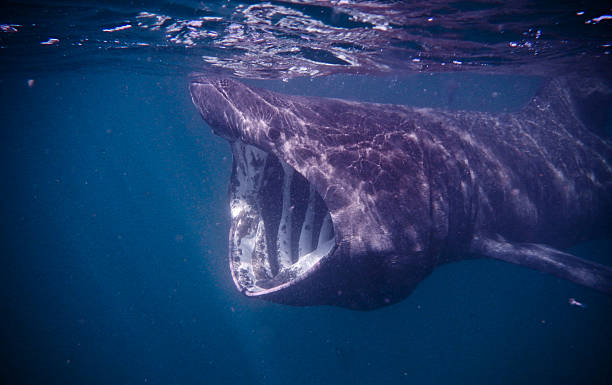
The basking shark (Cetorhinus maximus) is the second-largest shark species, reaching lengths of up to 40 feet (12 meters) and weighing over 5 tons. Found in temperate waters worldwide, including the Atlantic, Pacific, and Indian Oceans, it is commonly spotted off the coasts of Scotland, Ireland, and New Zealand. Despite its massive size, this gentle giant is a filter feeder, consuming plankton by swimming with its enormous mouth wide open. Basking sharks are often seen near the surface, “basking” in the sun, and play a vital role in maintaining the health of marine ecosystems by regulating plankton populations.
(1) Whale Shark
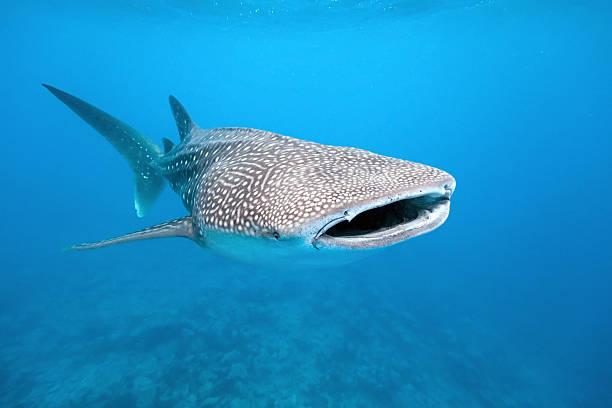
The whale shark (Rhincodon typus) is the largest shark and fish species on the planet, with some individuals reaching an incredible 40 feet (12 meters) or more in length and weighing up to 20 tons. Despite their massive size and imposing appearance, these gentle giants are filter feeders, relying on plankton, small fish, and tiny organisms for sustenance.
Whale sharks are primarily found in warm tropical and subtropical oceans, with popular sightings in regions like the Maldives, Mexico, Australia, and the Philippines, where they often gather to feed. One fascinating fact about whale sharks is that each individual has a unique pattern of spots on its body, similar to a fingerprint, allowing scientists to identify and track them, aiding in global conservation efforts for this endangered species.
 Luv2wild
Discuss below