At Luv2wild we aim to be your HUB for all things nature. We post weekly articles covering all things regarding our natural world with a large focus on covering Wildlife, travel destinations for nature lovers and any animal or environment related news.
A short summary of the situation thats unfolded over past week in the Scottish highlands.
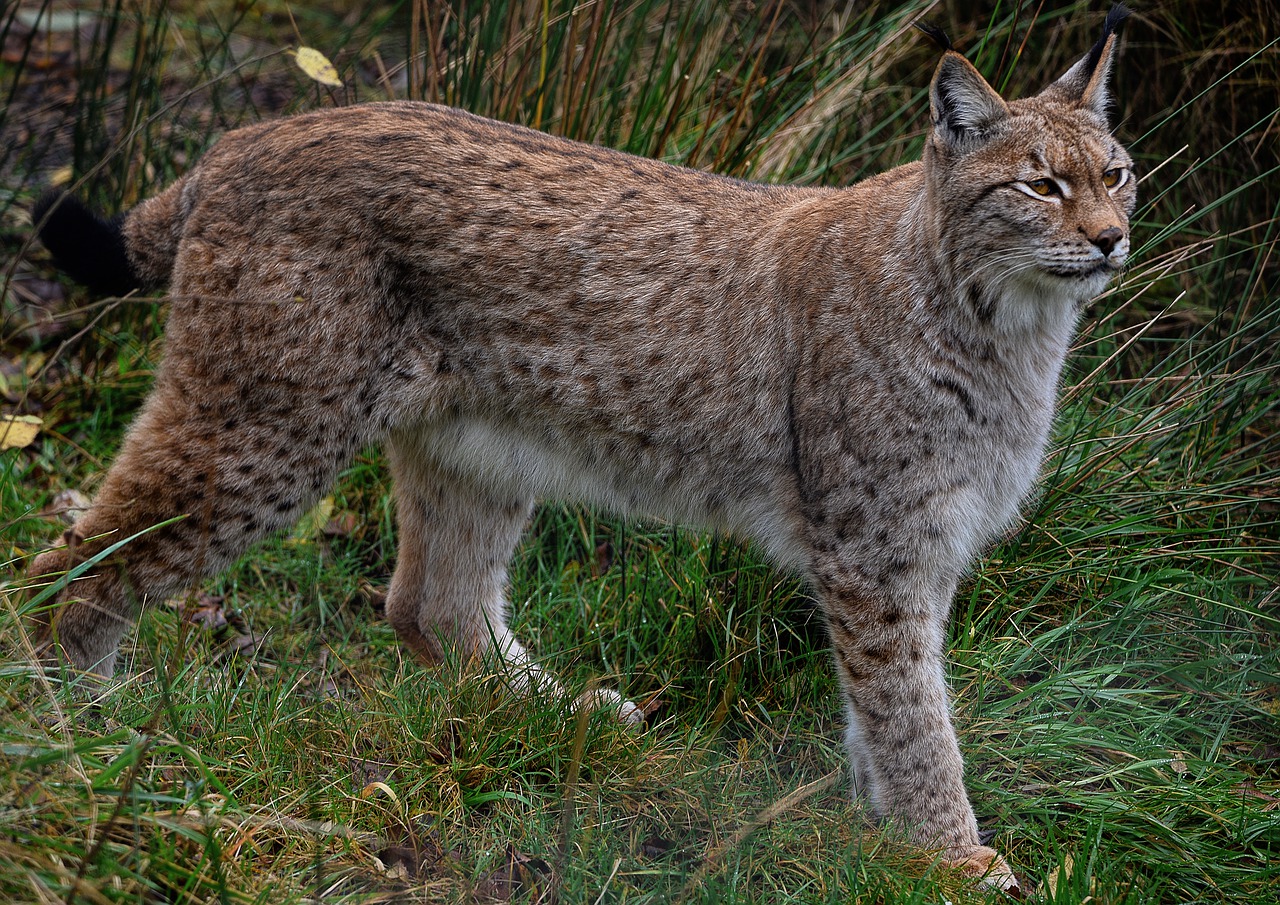
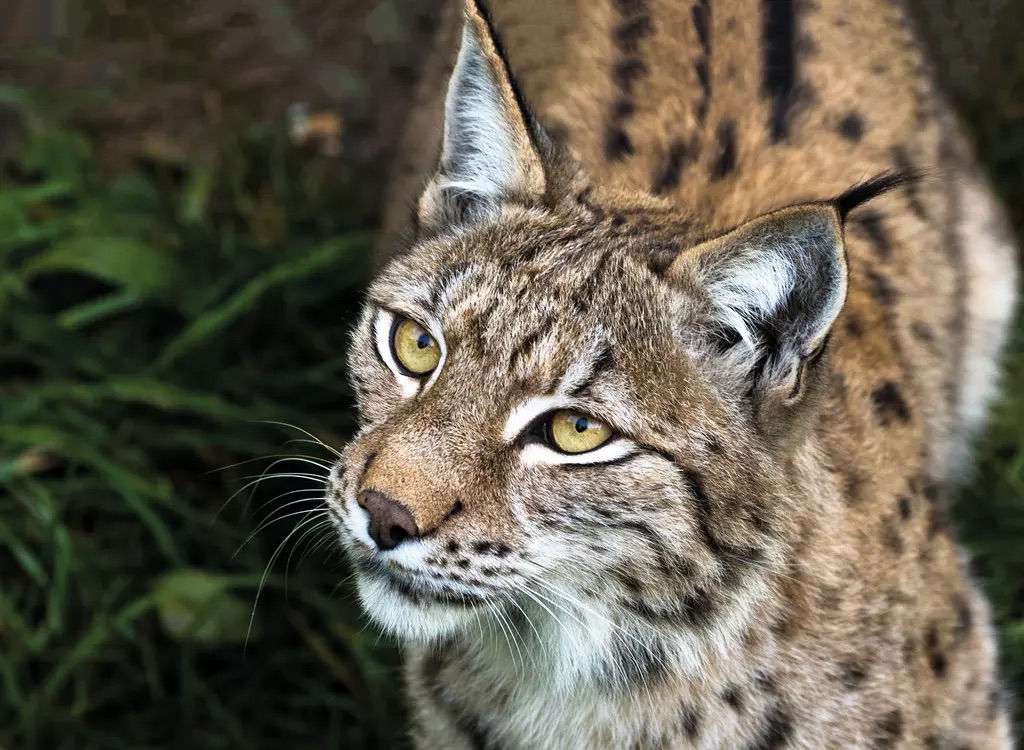
In early January 2025, two lynx were illegally released into the Scottish Highlands near Kingussie. The Royal Zoological Society of Scotland (RZSS), in collaboration with Police Scotland, successfully captured the animals using humane traps. The lynx, named “The Killiehuntly Two,” are currently in quarantine at Highland Wildlife Park and will be transferred to Edinburgh Zoo for further health assessments.
RZSS condemned the unauthorised release as “highly irresponsible,” emphasising that the lynx were unlikely to survive in the wild without proper preparation. The charity expressed gratitude to local residents, estates, farmers, and conservation partners for their assistance in the capture. First Minister John Swinney also criticized the release, acknowledging the efforts of organizations involved in securing the animals.
Lynx, once native to Britain, were driven to extinction approximately 1,000 years ago due to habitat loss, hunting, and a decline in prey. While not considered dangerous to humans, they prey on mammals like deer, rabbits, and mice. Conservation groups have been advocating for the reintroduction of lynx to Scotland. However, unauthorised releases are counterproductive to these efforts. Peter Cairns, executive director of Scotland: The Big Picture, stated that such actions hinder approved conservation projects.
Police Scotland is investigating the source of the illegal release and urges anyone with information to come forward. The incident has sparked discussions about wildlife reintroduction and the importance of adhering to official guidelines to ensure the safety of both animals and the public.
Creating a wildlife garden is one of the most rewarding ways to contribute to the health of your local ecosystem while enjoying the beauty and wonder of nature right at your doorstep. Whether you have a small garden or a large garden, you can transform your outdoor space into a haven for wildlife. Here’s a step-by-step guide on how to get started!
1. Plan for Diversity
The key to a successful wildlife garden is diversity. Different species need different habitats and food sources, so it’s essential to include a variety of plants, structures, and features that support a wide range of animals.
• Choose Native Plants: Native plants are particularly beneficial because they are adapted to the local climate and soil conditions. They also provide food and shelter for native wildlife. For example, wildflowers or shrubs like elderberry offer berries for birds.
• Incorporate Different Plant Types: Include trees, shrubs, flowers, and grasses in your garden to provide varied habitats for different species. Tall plants offer shelter for birds, while low-growing flowers are perfect for pollinators.
2. Create Water Sources
Water is essential for wildlife, not just for drinking but also for bathing and for some species breeding. By adding a water feature to your garden, you can attract a wide variety of different types of animals from amphibians to birds.
Advertisements
• Install a Pond or Birdbath: If you have space, consider adding a pond with shallow edges where animals can safely drink or bathe. Alternatively, a simple birdbath will also do the trick and is easy to maintain.
• Add Water Plants: If you have a pond, include aquatic plants like water lilies and reeds. These plants provide hiding spots for aquatic insects and offer shelter for birds and frogs.
3. Provide Shelter and Nesting Spaces
Wildlife need places to hide, sleep, and nest. By incorporating natural materials and structures, you can make your garden a safe haven for animals to thrive.
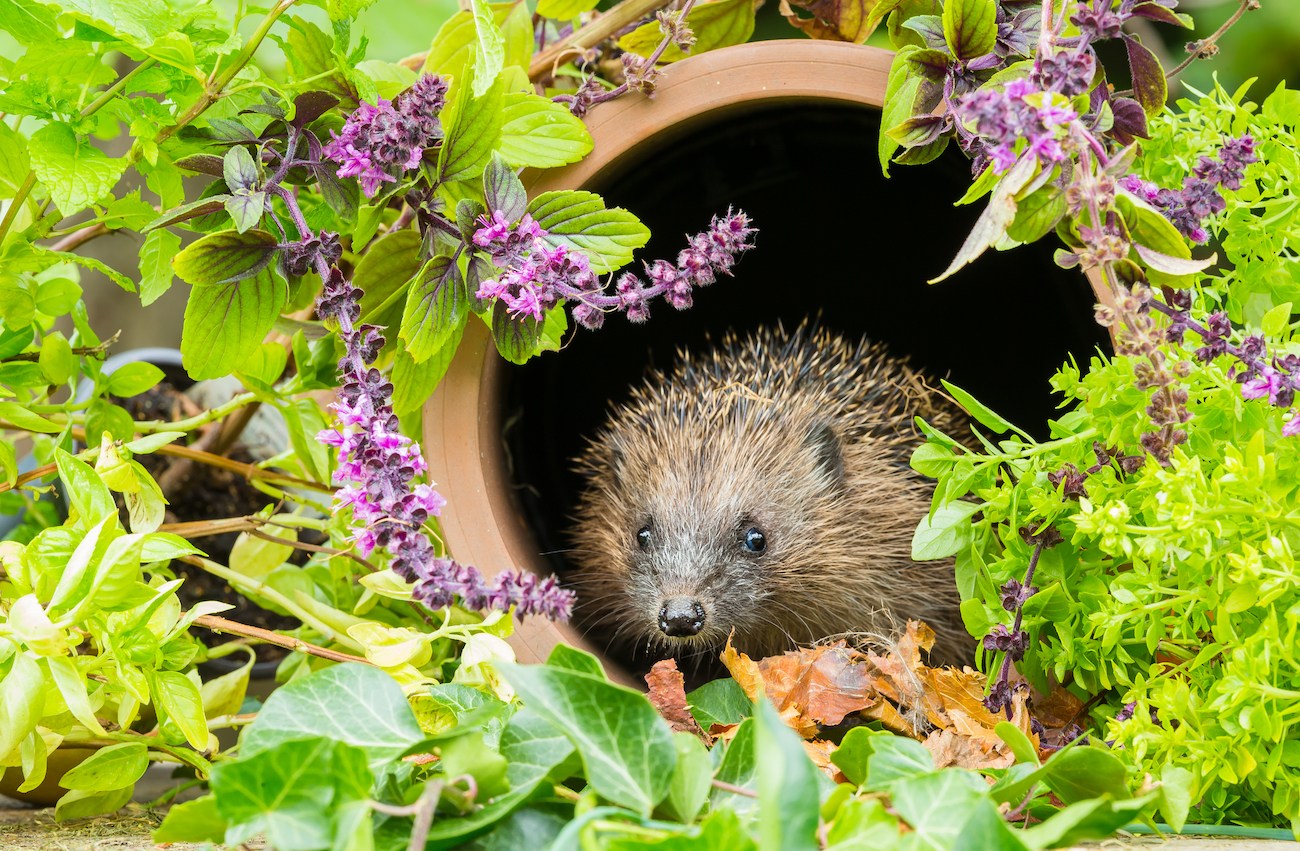
• Create a Hedgehog Hideaway: Leave piles of leaves, logs, or stone piles in one corner of your garden. These provide shelter for hedgehogs, small mammals, and insects.
• Install Bird Boxes: Different bird species need different types of nesting sites, so consider installing a variety of birdhouses. Robins and wrens prefer open-fronted boxes, while blue tits and sparrows like enclosed boxes with a small entrance hole.
• Build Insect Hotels: A simple wooden box filled with hollow stems, bamboo canes, or pine cones can provide shelter for beneficial insects such as bees and ladybugs. These critters play a vital role in pollination and pest control.
4. Use Organic Gardening Practices
Pesticides and chemical fertilisers are harmful to wildlife. By adopting organic gardening practices, you create a healthier, more sustainable environment for all creatures.
• Choose Natural Fertilisers: Use compost, manure, or organic fertilisers to enrich the soil. These are safer for wildlife and promote a healthy ecosystem.
Advertisements
• Control Weeds Naturally: Rather than using chemical herbicides, try mulching or hand-weeding to keep weeds in check. Beneficial insects like ladybugs will help manage aphid populations naturally.
• Avoid Pesticides: Instead of reaching for pesticides to control pests, consider introducing natural predators like ladybugs, lacewings, and frogs, which will help keep the insect population balanced without harming other wildlife.
5. Encourage Pollinators
Pollinators like bees, butterflies, and moths are essential for a healthy garden. Creating an environment that supports these creatures helps boost plant reproduction and supports biodiversity.
• Plant a Pollinator-Friendly Garden: Include plants that produce nectar and pollen, such as lavender, sunflowers, and lavender. Avoid hybrid plants, as they are less likely to provide food for pollinators.
• Provide Continuous Bloom: Choose plants that bloom at different times of the year. This ensures a steady food supply for pollinators throughout the seasons.
• Create a Butterfly-Friendly Space: Butterflies need both food and shelter. Consider adding plants like milkweed for larvae and buddleia (the butterfly bush) for nectar.
6. Minimise Lawn Areas
Traditional lawns often provide little support for wildlife. By reducing the size of your lawn and replacing it with more natural, wildlife-friendly spaces, you create a more productive garden.
• Convert Lawn to Wildflower Meadows: If possible, consider replacing part of your lawn with a wildflower meadow. These meadows support a wide variety of pollinators and other wildlife and require less maintenance.
• Allow Areas to Grow Wild: Leave sections of your garden to grow naturally. This will provide places for insects, birds, and small mammals to find food and shelter.
7. Create Safe Spaces for Wildlife
A garden can be a safe and tranquil space for animals, provided there are no threats. Consider a few simple adjustments to make your garden safer for wildlife.
• Avoid Using Netting or Fencing: Netting can entangle birds and small mammals. If you need to use fencing, opt for materials with larger gaps that won’t trap animals.
• Keep Cats Indoors: Outdoor cats can pose a threat to birds and small mammals. By keeping your cat indoors or creating an enclosed outdoor space (a “catio”), you help protect local wildlife.
• Limit Artificial Lighting: Bright outdoor lights can disrupt nocturnal animals like bats and moths. Consider using low-level, warm lights that are less intrusive and more wildlife-friendly.
Conclusion
A wildlife garden is not only a beautiful addition to your home but also a vital step in supporting biodiversity and local ecosystems. By planning with native plants, offering water sources, creating shelters, and adopting organic gardening practices, you can help provide a safe space for animals while contributing positively to the environment. No matter the size of your garden, every effort counts, and the more wildlife-friendly features you add, the more you’ll be able to enjoy nature right outside your door. Happy gardening!
If you’re passionate about living more sustainably, the right books can be a great source of inspiration and practical advice. From reducing waste to growing your own food, there are countless resources that can guide you on your eco-friendly journey. In this post, we’ve curated a list of the best books for sustainable living. Each book offers valuable insights on how to make greener choices in everyday life. Whether you’re just starting out or looking to deepen your knowledge, these books will help you live more sustainably.
All links to the products are featured below the product images.
Flight-Free Europe is a book by lonely planet that features 80 inspiring and sustainable No-Fly Travel itineraries. The aviation industry is one of the biggest contributors to climate change and account for 2% of global co2 emissions. This book provides environmentally friendly alternatives so you can travel sustainably. The destinations in this book have something for everyone. Whether it’s laid back beach holidays or mountain adventures this book has it all and is one that I would highly recommend.
The Clean and Green book by Nancy Birtwhistle is a must-read for anyone looking to live a more sustainable, eco-friendly life without compromising on cleanliness or convenience. In this practical guide, Nancy shares simple yet effective tips for reducing waste, using natural cleaning products, and making greener choices around the home. Whether you’re new to eco-living or looking to refine your practices, The Clean and Green offers valuable insights and easy-to-follow advice to help you create a healthier, more sustainable environment for you and your family. Get your copy today and start making small changes that lead to big environmental impact!
Low Waste Kitchen: Radical Recipes for Sustainable Living is a must-read. if you’re looking to reduce your environmental footprint while enjoying delicious, eco-friendly meals then this book is for you. This insightful guide offers practical tips and innovative recipes that help you reduce food waste and embrace a more sustainable lifestyle. With a focus on using simple, everyday ingredients in creative ways, Vitale shows how easy and rewarding it can be to make small changes in the kitchen that have a big impact on the planet. Whether you’re a seasoned eco-warrior or just starting out, this book is an essential resource for anyone committed to greener living.
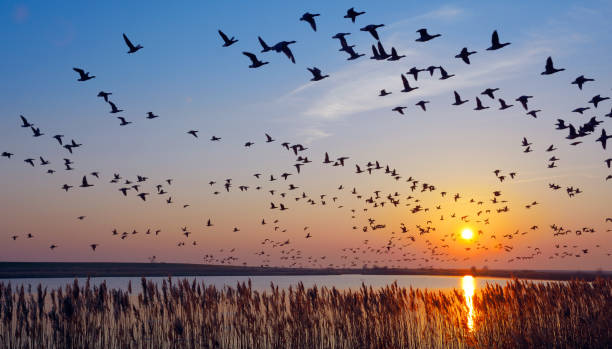
Climate change is having a profound impact on wildlife. One of the most noticeable effects is the disruption of animal migration patterns. As global temperatures rise, seasons shift, and weather patterns become more erratic, animals are forced to adapt, often in ways that can disrupt their survival.
Changes in Migration Timing
For many species, migration is triggered by environmental cues like temperature, food availability, and daylight hours. With climate change, these cues are becoming unreliable. Migratory birds, for instance, are arriving at their destinations earlier or later than usual, often missing peak food availability or facing harsher conditions. In some cases, they may struggle to find the resources they need to survive.
Shifts in Migration Routes
As habitats change due to rising temperatures, many animals are altering their migration routes. Some species are moving further north or to higher altitudes in search of cooler conditions. However, this can create conflicts with human infrastructure or lead to overcrowded ecosystems, making survival more difficult.
The Impact on Ecosystems
These shifts in migration patterns can have ripple effects on ecosystems. For example, if a predator arrives too early for its prey, it could disrupt the balance of the food chain. Similarly, when herbivores change their migration routes, plant communities may be affected, leading to further ecological imbalances.
Animal migration is a critical aspect of the natural world, and climate change is increasingly threatening this delicate process. By understanding how climate change affects animal migration, we can better support conservation efforts and protect these species from further harm. It’s essential to take action now to mitigate climate change and preserve the integrity of our ecosystems.
Our planet is full of Animals in all kinds of different shapes and sizes. In this article I will be talking about two small mammal species that both have a claim for the title of TheWorlds Smallest Mammal.
Etruscan shrew (Suncus Etruscus)
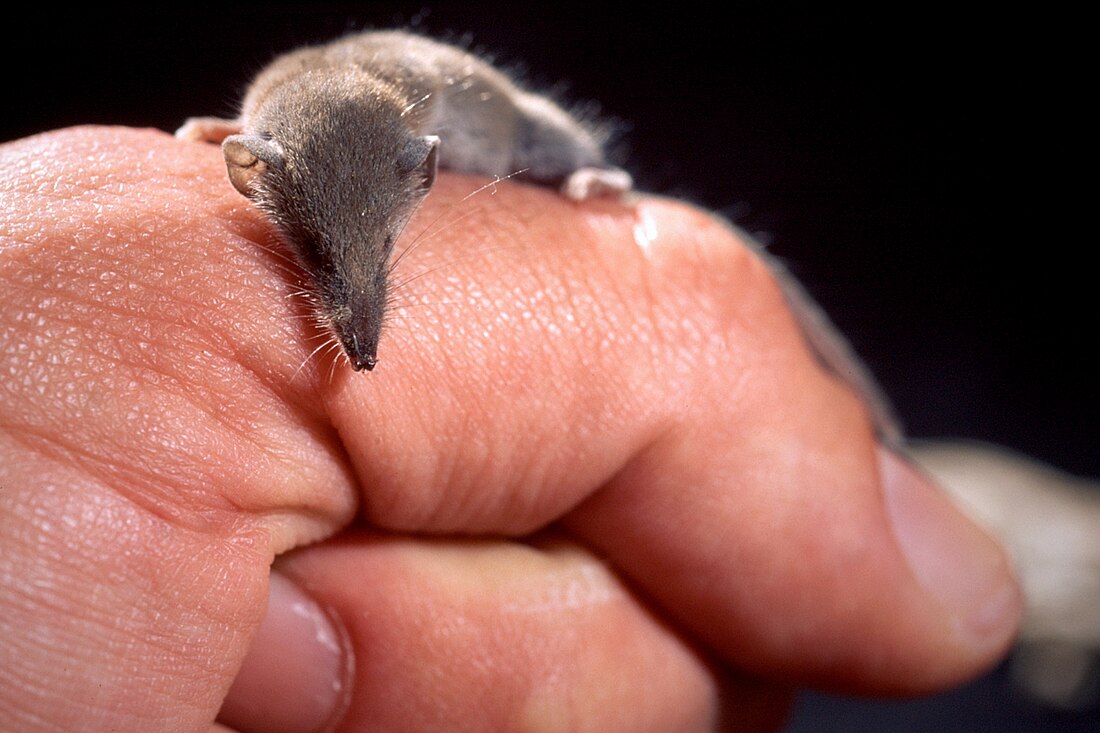
The Etruscan Shrew also known as the white-toothed pygmy shrew is the smallest mammal alive today by body mass. It weighs a mere 1.8 g with a body length of just 4 cm excluding the tail. The Etruscan Shrew has an average lifespan of around 15 months in the wild. It is often found in parts of Europe, the Middle East, and South Asia. Despite its tiny size, the Etruscan Shrew has an incredibly high metabolism, requiring it to eat up to 1.5 times its body weight each day. It feeds primarily on insects, spiders, and other small invertebrates. The Shrew’s rapid heart rate—up to 1,500 beats per minute—and its constant foraging behavior help it sustain its energy needs. Due to its size and speed, the Etruscan shrew is elusive and rarely seen by humans, yet it plays a vital role in its ecosystem by controlling insect populations.
Advertisements
Kitti’s hog-nosed Bat (Craseonycteris thonglongyai)
The Kitti’s hog-nosed bat or bumblebee bat as it’s also known, is the smallest mammal in the world by body length. It is also listed as the worlds smallest mammal by the Guinness Book Of World Records. It weighs only about 2 grams and measures around 3 cm in body length, about the size of a large bumblebee. It also has the smallest skull of any mammal. Found mostly in limestone caves in Thailand and Myanmar, this minuscule bat gets its name from its distinctive pig-like snout which helps it forage for insects like beetles and moths. Despite its small size, Kitti’s hog-nosed bat is an adept aerial forager, using its high-pitched echolocation calls to navigate in the dark and locate prey. Its habitat is increasingly threatened by deforestation and human disturbance, leading to concerns about its conservation status. It will often roost in large groups, and plays a critical role in controlling insect populations in its ecosystem.
Conclusion
Whilst The Kittis Hog-nosed Bat is the smallest mammal by body length the Etruscan Shrew is the world’s smallest mammal by body mass so the answer all depends on how size is defined.
I hope you enjoyed the article as much as I enjoyed writing it. If you did then consider subscribing to our mailing list so you are notified when a new post is published. Thanks for reading : )
As the world grapples with challenges, 2024 has also brought some heartwarming stories of hope and progress for animals. From conservation wins to successful rescues, here are five uplifting animal-related news stories that remind us of the power of compassion and conservation.
1. Sea Turtles Make a Historic Comeback in Florida
In 2024, Florida beaches saw record-breaking numbers of sea turtle nests, signaling a significant recovery for endangered species like the loggerhead and green sea turtles. Conservation efforts, including reduced human impact and habitat restoration, have played a key role in this achievement, offering hope for these marine reptiles’ future.
2. Endangered Gorillas Thrive in New Sanctuary
A sanctuary for endangered western lowland gorillas, opened in Central Africa earlier this year, has become a beacon of success in conservation. The gorillas, many rescued from poaching or the illegal pet trade, are now thriving in their natural habitat. This project not only helps the species but also boosts local biodiversity.
3. Whale Numbers Rebound in the Southern Ocean
Thanks to international conservation efforts and stricter protection measures, whale populations in the Southern Ocean are seeing a healthy resurgence. New studies show an increase in humpback and blue whale numbers, a positive sign that global protections and anti-whaling initiatives are having a real impact.
4. Rescue Operation Saves Endangered Snow Leopards in the Himalayas
A daring rescue operation in the Himalayas successfully freed several snow leopards trapped in poacher’s snares. Thanks to collaboration between local authorities and wildlife NGOs, the leopards were treated and released back into the wild, furthering efforts to protect this elusive and endangered species.
5. New Law to Protect Africa’s Elephants
In a groundbreaking move, a new law passed in 2024 aims to ban the export of ivory and other elephant products from African nations. This legislation will play a crucial role in protecting elephant populations from poaching and illegal trade, offering renewed hope for these magnificent creatures.
These stories remind us that, while challenges remain, there is still much to celebrate when it comes to animal conservation and welfare. As we look toward the future, these victories offer hope for a brighter, more sustainable world for all species.
Invasive species are becoming a bigger problem every day. The effect on ecosystems around the globe is devastating. From escaped/released exotic pets and Zoo escapes to hitching a ride on cargo ships and other vehicles there has never been more ways for invasive species to spread.
What is an invasive species? An Invasive Species is a non-native organism that is introduced into a new environment where it is not naturally found.
Below are examples of3 invasive species including a summary of each and the impact they are having on their surrounding ecosystems:
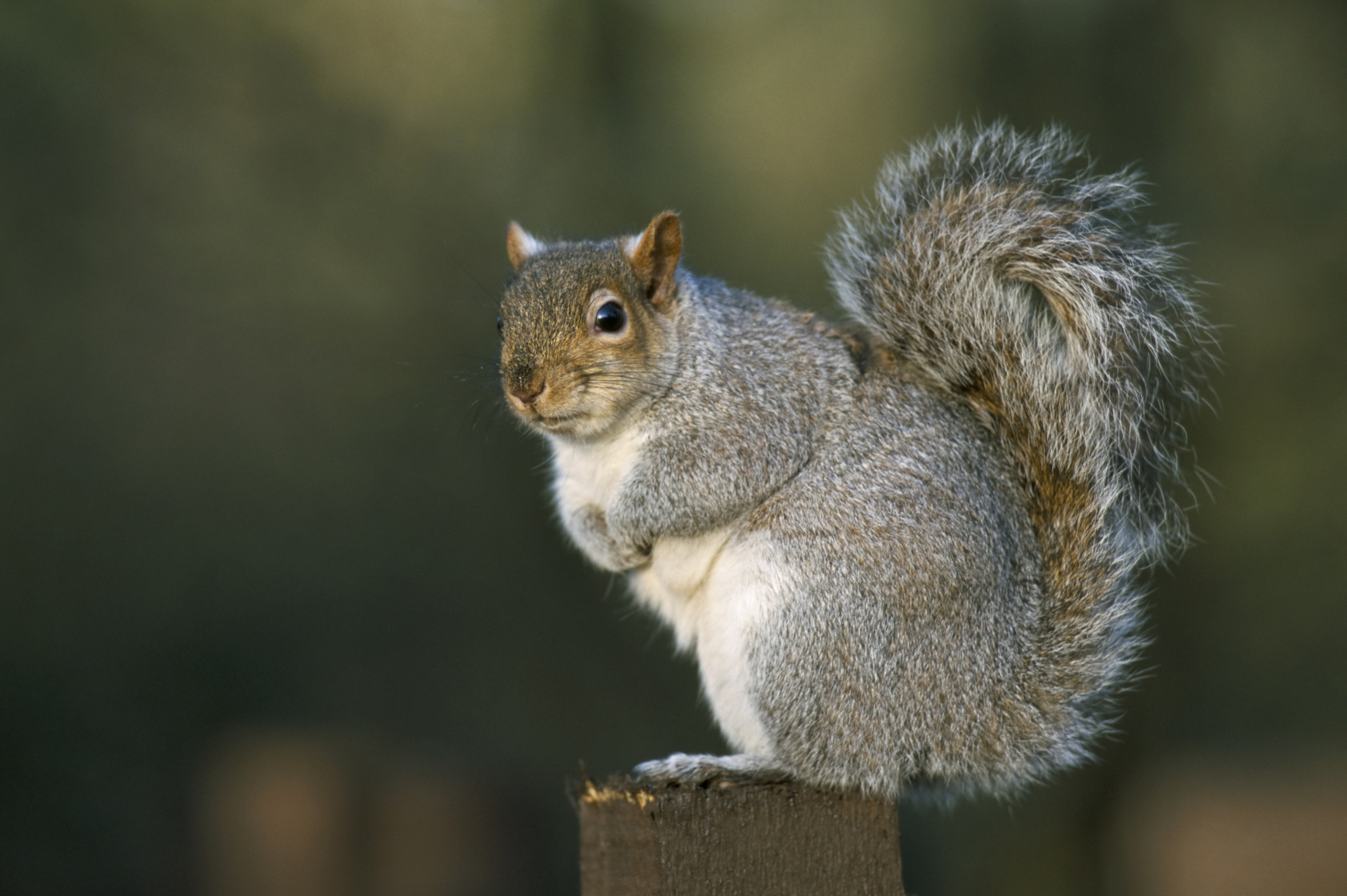
Grey Squirrel: The Grey Squirrel was first introduced into the UK from North America in 1876. Since then, it has severely impacted the native flora and fauna. Most famously the Grey squirrel is responsible for the rapid decline in redsquirrel populations over the last 150 years. This is because Grey squirrels are much larger and more aggressive than their red counterparts allowing them to easily out-compete the red squirrel for food and other resources. Additionally, they also carry diseases that are fatal to red squirrels. All of this has led to the Red squirrel, the UK’s native squirrel species, once a common sight to now be classified as endangered and locally extinct in many parts of the UK.
Cane toad: Cane toads were introduced into Queensland Australia back in 1935 with the aim of controlling beetle numbers. However Cane toads quickly became a pest due to a lack of natural predators and the diseases they carried. Unfortunately Australia is now home to around 200 million Cane toads and with them expanding across northern Australia at a rate of 50km each year it seems it’s only going to get worse.
The main reason Cane toads are such a problem is down to their way of defending themselves against predators. When attacked or threatened, Cane toads excrete a toxin that is highly poisonous. As a result, This often ends up killing many native predators.
Burmese python: Burmese pythons are an extremely large species of python native to southeast Asia. They have however established an invasive population in Florida, specifically the Everglades. The first Burmese pythons were spotted in the Everglades around the year 2000. Almost all of these were escaped or released pets. As of 2024, their population is thought to be anywhere between 100,000 – 300,000. Some females lay as many as 100 eggs each year suggesting that those numbers are only going to increase. Due to their large size the invasive Burmese pythons have quickly become an apex predator in the Everglades. Necropsies have revealed that the pythons have been eating a broad range of animals. These include alligators, deer, bobcats, wild pigs and small mammals. They also feed on protected species like the wood stork which is particularly worrying. Overall they have had a devastating impact on native species populations something that cannot continue.
Conclusion:
Many steps are being taken to deal with invasive species. In Florida there is annual culling competitions with prize money for whoever catches the most Burmese pythons. The state of Florida government introduced a new law prohibiting the ownership or distribution of Burmese pythons. In the long run however more needs to be done globally to prevent invasive species spreading into new territories. keeping invasive populations isolated and localised is crucial to effectively reducing their numbers and impact on the wider ecosystem.
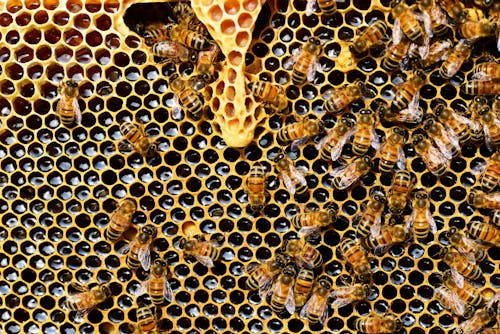
Bees play a crucial role in maintaining the balance of our ecosystems, making them incredibly important for both the environment and food production. As pollinators, bees are responsible for pollinating around 75% of flowering plants and about 35% of global food crops, including fruits, vegetables, and nuts. Without bees, these crops would struggle to reproduce, leading to a decline in food availability and biodiversity.
In addition to food production, bees contribute to the health of ecosystems by supporting the growth of plants that offer food and shelter for other wildlife. They also help maintain soil fertility, which is essential for healthy agriculture. Unfortunately, bee populations are under threat due to factors like habitat loss, pesticide use, and climate change.
Advertisements
Advertisements
Protecting bees is crucial for sustaining biodiversity and securing food sources for future generations. Supporting pollinator-friendly practices, like planting wildflowers, reducing pesticide use, and promoting sustainable farming, can help ensure that bees continue to thrive and fulfill their vital role in nature.

















 Luv2wild