
Climate change is having a profound impact on wildlife. One of the most noticeable effects is the disruption of animal migration patterns. As global temperatures rise, seasons shift, and weather patterns become more erratic, animals are forced to adapt, often in ways that can disrupt their survival.
Changes in Migration Timing
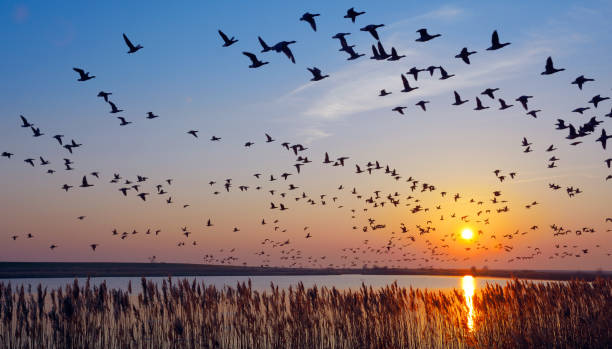
For many species, migration is triggered by environmental cues like temperature, food availability, and daylight hours. With climate change, these cues are becoming unreliable. Migratory birds, for instance, are arriving at their destinations earlier or later than usual, often missing peak food availability or facing harsher conditions. In some cases, they may struggle to find the resources they need to survive.

Shifts in Migration Routes
As habitats change due to rising temperatures, many animals are altering their migration routes. Some species are moving further north or to higher altitudes in search of cooler conditions. However, this can create conflicts with human infrastructure or lead to overcrowded ecosystems, making survival more difficult.

The Impact on Ecosystems
These shifts in migration patterns can have ripple effects on ecosystems. For example, if a predator arrives too early for its prey, it could disrupt the balance of the food chain. Similarly, when herbivores change their migration routes, plant communities may be affected, leading to further ecological imbalances.

Conclusion
Animal migration is a critical aspect of the natural world, and climate change is increasingly threatening this delicate process. By understanding how climate change affects animal migration, we can better support conservation efforts and protect these species from further harm. It’s essential to take action now to mitigate climate change and preserve the integrity of our ecosystems.
 Luv2wild
Discuss below