As our planet faces increasing environmental challenges, one of the most urgent issues is the relationship between humans and the natural world. The rapid loss of biodiversity, habitat destruction, and climate change are threatening not only wildlife but also the balance that supports life on Earth. As humans continue to expand and develop, finding ways to coexist harmoniously with animals is essential for the health of our planet and future generations.
The good news is that there are a variety of sustainable approaches that humans can adopt to live alongside animals, balancing our needs with the well-being of the natural world. These approaches not only benefit wildlife but also create healthier, more resilient human communities.

1. Protect and Restore Natural Habitats
One of the simplest yet most effective ways to coexist with animals is by protecting and restoring their natural habitats. As urban sprawl and industrialization increase, wildlife habitats are often destroyed or fragmented. This disrupts animal populations, endangering species and limiting their ability to thrive.
Efforts to protect forests, wetlands, grasslands, and oceans can go a long way in ensuring animals have the space they need. Governments, NGOs, and local communities are increasingly involved in conservation programs that create protected areas, promote reforestation, and restore degraded landscapes. By supporting or getting involved in such efforts, humans can contribute directly to preserving ecosystems that are home to countless species.
2. Implement Sustainable Agricultural Practices
Agriculture is a major driver of habitat destruction and biodiversity loss. As the global population continues to grow, the demand for food increases, and so does the pressure on wildlife habitats. However, there is a growing movement toward sustainable agriculture that aims to reduce the environmental impact of farming while also providing for human needs.
Agroforestry, organic farming, and permaculture are examples of practices that work in harmony with nature. By diversifying crops, avoiding harmful pesticides and fertilizers, and integrating animals into farming systems, we can create more resilient ecosystems. These practices not only preserve wildlife habitats but also promote soil health, conserve water, and reduce greenhouse gas emissions.

3. Promote Wildlife Corridors and Urban Green Spaces
As cities expand, they often create barriers that limit wildlife movement, making it harder for animals to find food, mates, and shelter. Wildlife corridors—protected areas that link fragmented habitats—allow animals to safely travel between regions. Urban planners can help by designing cities with wildlife in mind, creating green spaces, and ensuring that natural areas remain accessible to both humans and animals.
Urban areas can also provide opportunities for wildlife. Green roofs, community gardens, and tree-lined streets can support urban biodiversity. Designing cities with more green spaces benefits both people and animals by improving air quality, reducing urban heat, and enhancing overall well-being.
4. Responsible Consumption and Wildlife Protection
The choices we make as consumers directly impact animal populations. By supporting ethical and sustainable practices in industries such as fishing, forestry, and clothing, humans can reduce the pressure on wildlife. Choosing products that are certified by organizations like the Rainforest Alliance or Fair Trade ensures that they are produced in ways that do not harm ecosystems or exploit animals.
In addition, reducing consumption of products that contribute to habitat destruction—such as palm oil, which is linked to deforestation, or unsustainable seafood—can help protect wildlife. Being mindful of the environmental impacts of our purchases helps shift markets toward more sustainable and animal-friendly practices.
5. Human-Wildlife Conflict Management
As human populations expand into areas that were once wilderness, conflicts between humans and animals become more frequent. From crops being raided by elephants to predators encroaching on livestock, human-wildlife conflict is a growing concern. However, there are a variety of strategies to minimize these conflicts without resorting to harmful measures like poaching or culling.
Implementing non-lethal deterrents—such as fencing, guard dogs, or even beehives to deter elephants—can help keep wildlife away from human settlements. Educating communities about how to coexist with wildlife, as well as creating wildlife-friendly farming practices (like planting crops that attract natural predators of pests), can help reduce conflict while also benefiting both animals and humans.
6. Support Conservation Efforts and Research
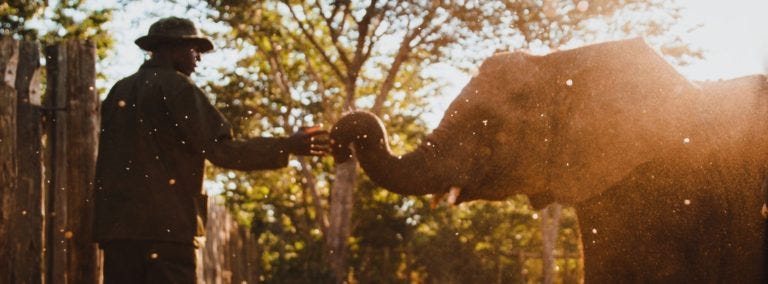
Conservation is a global endeavor, and local communities play a critical role in protecting animal species. By supporting organisations dedicated to wildlife conservation, individuals can contribute to efforts that help preserve endangered species, protect biodiversity, and promote sustainable development.
Additionally, supporting scientific research into animal behavior, migration patterns, and ecosystems helps us understand how animals live and what they need to survive. With this knowledge, we can develop better strategies for protecting wildlife and promoting coexistence.
7. Adopt a Mindset of Respect and Stewardship
At the core of all these efforts is the recognition that humans are not separate from the natural world but a part of it. By embracing a mindset of respect and stewardship, we can better understand the importance of living alongside animals, not at their expense.
A shift toward sustainability means acknowledging the interconnection of all living things and recognising that our actions—whether intentional or not—have consequences for the planet and its inhabitants. Educating ourselves and others, supporting policies that protect animals, and fostering empathy for non-human life are essential steps toward creating a more harmonious world.

Conclusion
Living sustainably alongside animals is not just a lofty ideal but a practical necessity. Through thoughtful, compassionate, and sustainable practices, humans can ensure that we share the planet with the myriad of species that make up the web of life. By protecting habitats, reducing our ecological footprint, managing human-wildlife conflicts, and promoting conservation, we can create a future where both humans and animals thrive together. The key is recognizing that the health of our planet is intertwined with the health of its animals, and in safeguarding their future, we also safeguard our own.
 Luv2wild
Discuss below